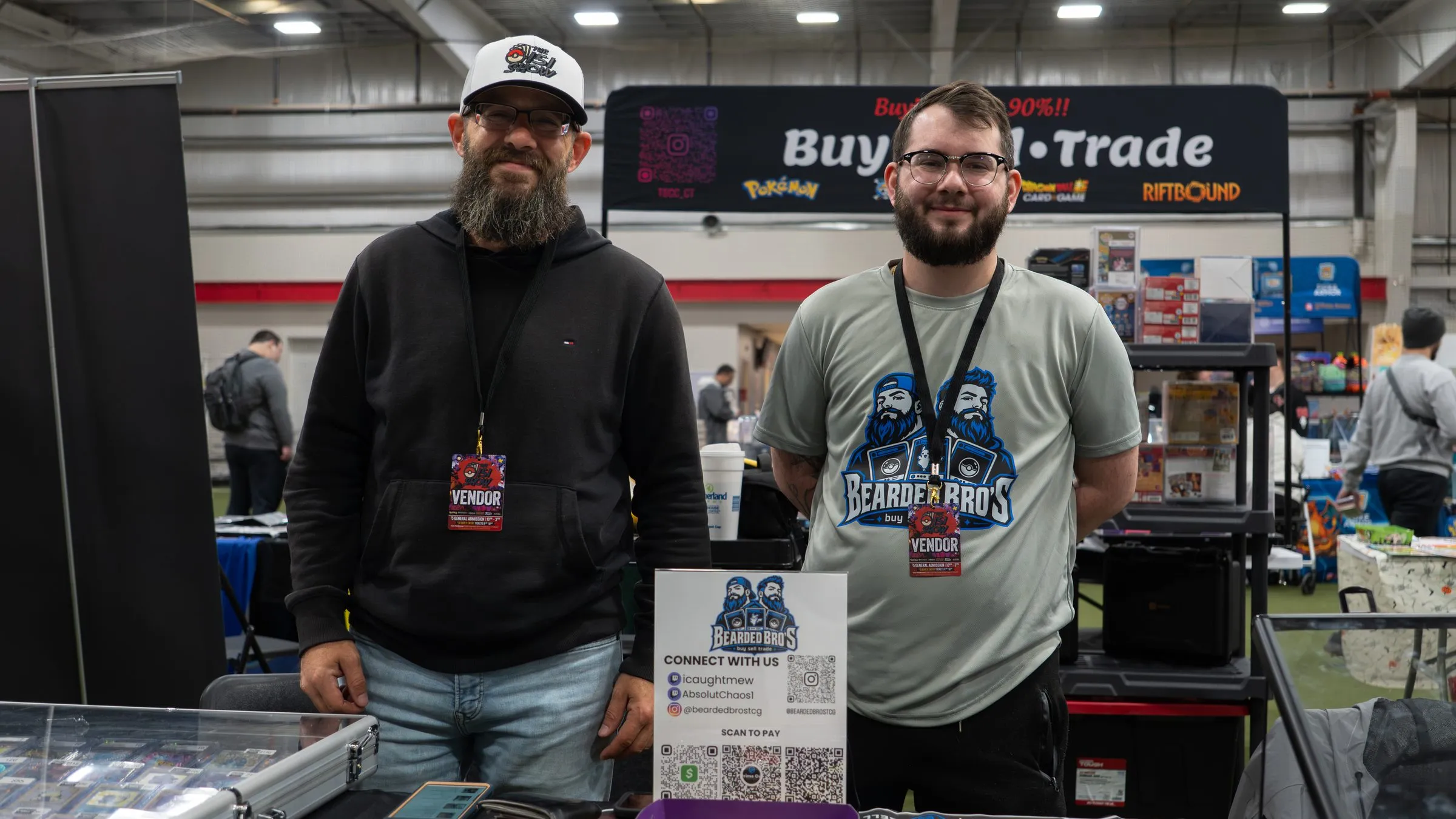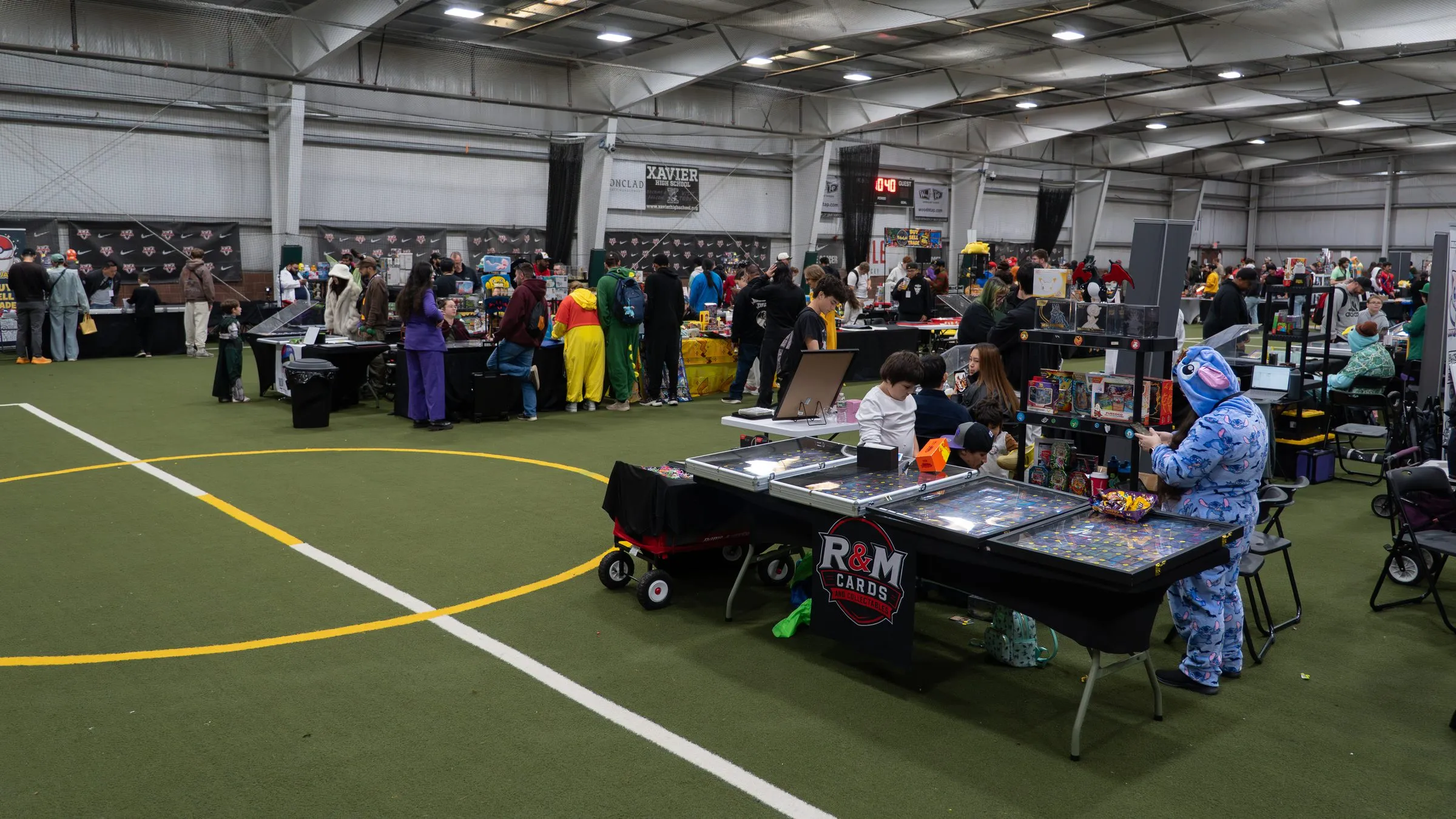
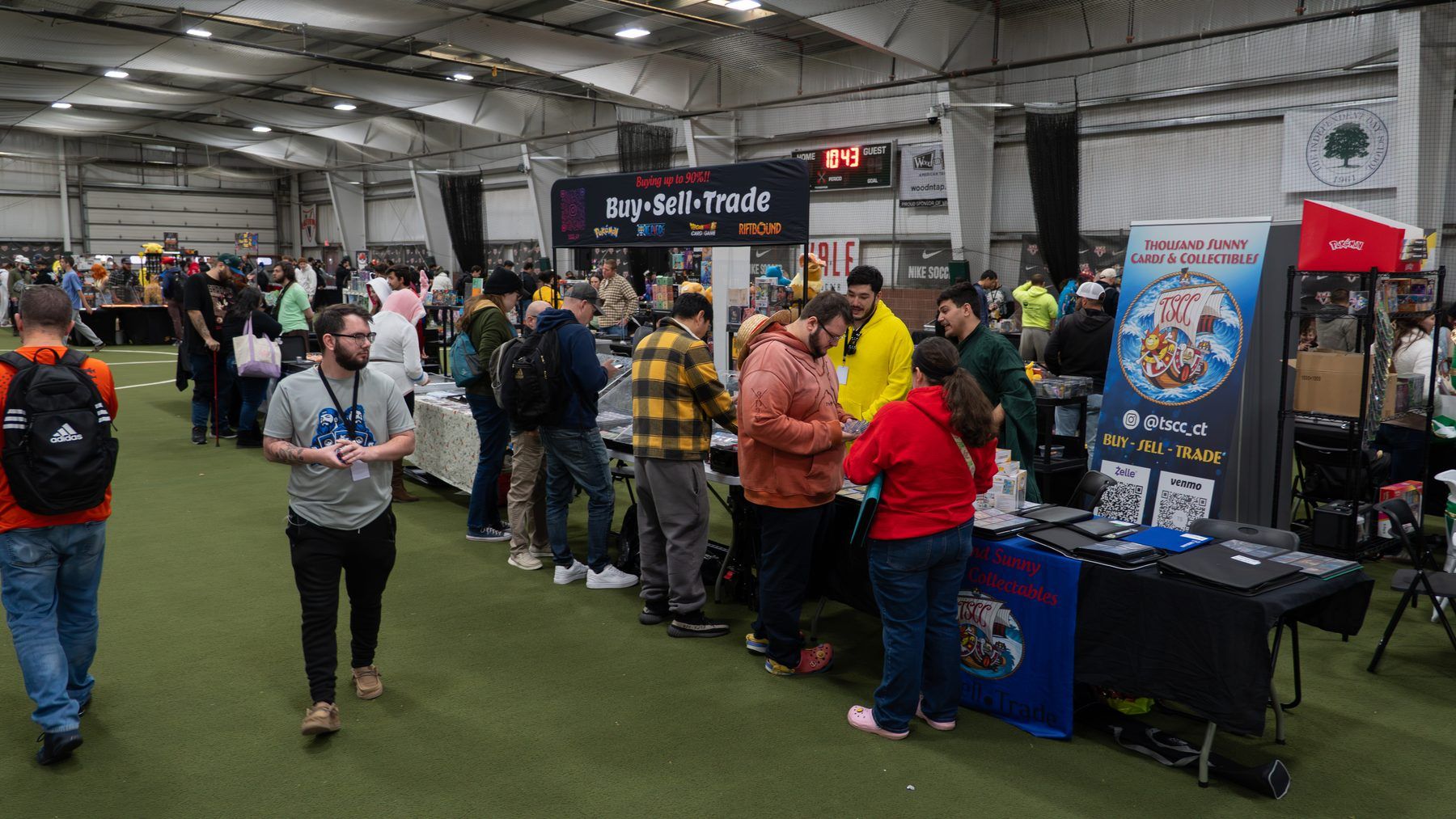
Thinking about getting behind the table instead of in front of it? Whether you’ve got binders of Pokémon singles collecting dust, a stack of sealed products you’ve been sitting on, or you’re ready to turn your collecting hobby into a side business, becoming a card show vendor is one of the best ways to get started.
At The 151 Card Show, Connecticut’s premier monthly Pokémon and trading card show, we’ve watched first-time vendors turn into regulars who wouldn’t miss a month. This guide walks you through everything you need to know to go from collector to vendor in Connecticut, from getting your sales tax permit to booking your first table.
Why Sell at a Card Show?
Online marketplaces are great, but they come with fees, shipping headaches, and buyers you never meet. A card show puts you face-to-face with hundreds of collectors who came specifically to buy, sell, and trade.
Here’s what selling in person gets you:
- Real buyers, all in one room. Hundreds of collectors come through the doors at every show. That’s a lot of eyes on your inventory in a single day.
- No platform fees or shipping. You set your price, make the deal, and hand it over.
- Buying opportunities. Attendees walk in with collections to sell. Some of the best inventory vendors pick up comes from across their own table.
- A community. You build a reputation and a customer base that comes back month after month.
Step 1: Decide What You’ll Sell
Before you book anything, figure out your lane. The strongest vendor tables have a clear identity, whether that’s vintage Pokémon, modern chase cards, sealed products, or graded slabs.
At The 151 Card Show, vendors sell:
- Pokémon (the heartbeat of the show)
- One Piece TCG
- Magic: The Gathering
- Riftbound
- Yu-Gi-Oh!
- Sports cards
- Funko Pops
- Anime rugs and collectibles
Formats include graded slabs, raw singles, sealed product, bulk, binders, and lots. Since The 151 Card Show is a TCG-first event, Pokémon and other trading card games tend to move best, so stock accordingly!
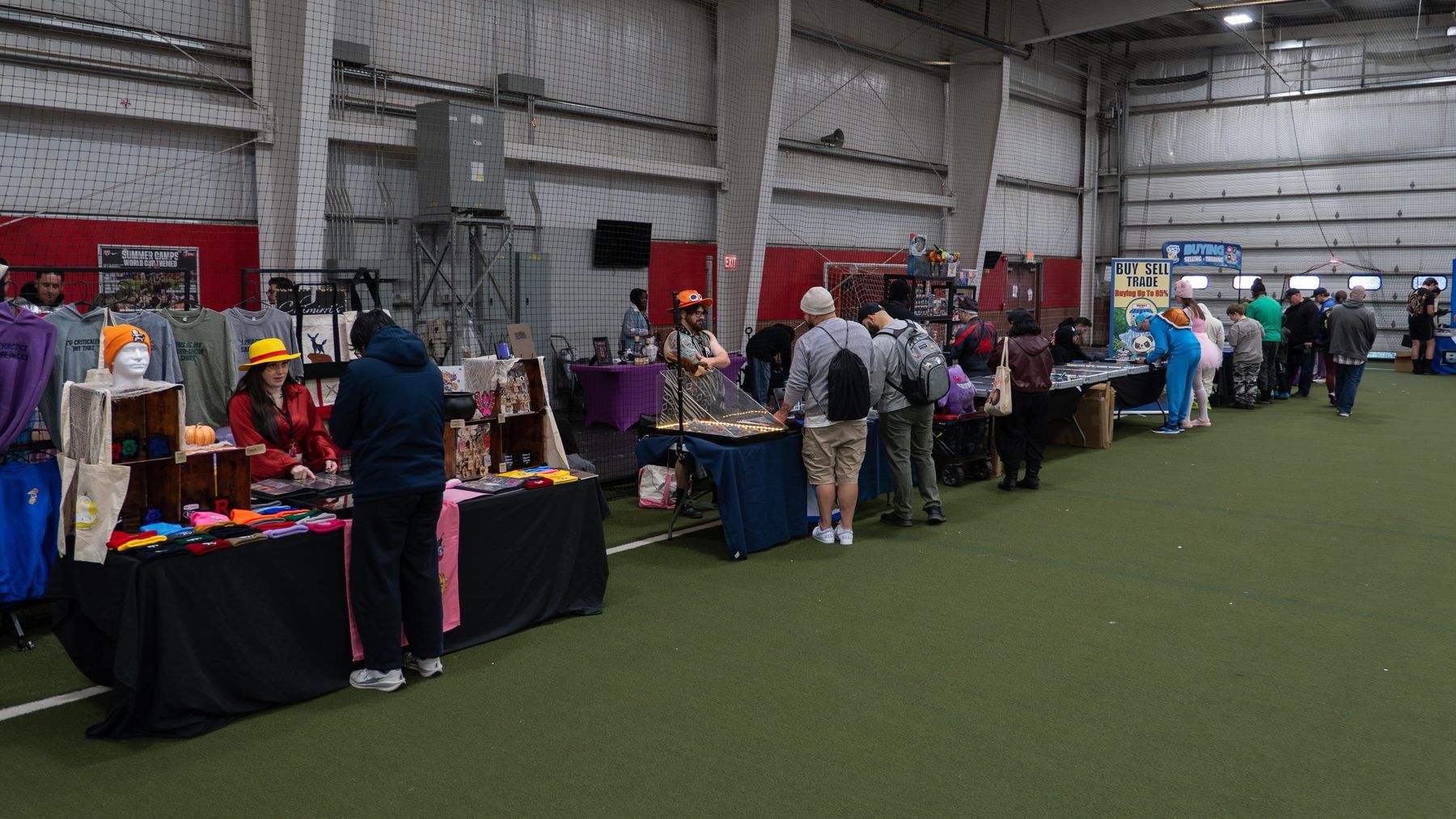
Tip: You don’t need a massive inventory for your first show. A well-organized table with fair prices beats a cluttered table with everything you own.
Step 2: Get Your Connecticut Sales and Use Tax Permit
This is the step most first-time vendors don’t know about. In Connecticut, you need a Sales and Use Tax Permit from the Department of Revenue Services (DRS) before you make any sales, and that includes selling at a flea market, craft show, trade show, or fair, even if it’s only for one day.
The basics:
- Register with DRS through the state’s myconneCT portal using Form REG-1 (Business Taxes Registration Application).
- There’s a one-time $100 registration fee.
- Display your permit at your table. DRS requires vendors to display it prominently at their booth or table.
You can find the full details on the Connecticut DRS website. Tax rules can change, so check with DRS or a tax professional if you have questions about your situation.
This section is general information, not tax or legal advice.
Step 3: Price Everything Before Show Day
Nothing slows down a sale like a vendor looking up every card while a customer waits. Price your inventory at home.
- Use recent sold listings, not asking prices. Check eBay sold listings and TCGplayer market prices for comps.
- Label everything. Price stickers on toploaders, slabs, and sealed products make it easy for buyers to browse without asking.
- Know your floor. Decide ahead of time how low you’ll go on your bigger cards so you can negotiate with confidence.
- Save your comps. Cell service can be spotty on a packed show floor, so screenshot recent sales for your high-value cards. (Collectors do the same thing; we tell them to in our guide to what to bring to a card show.)
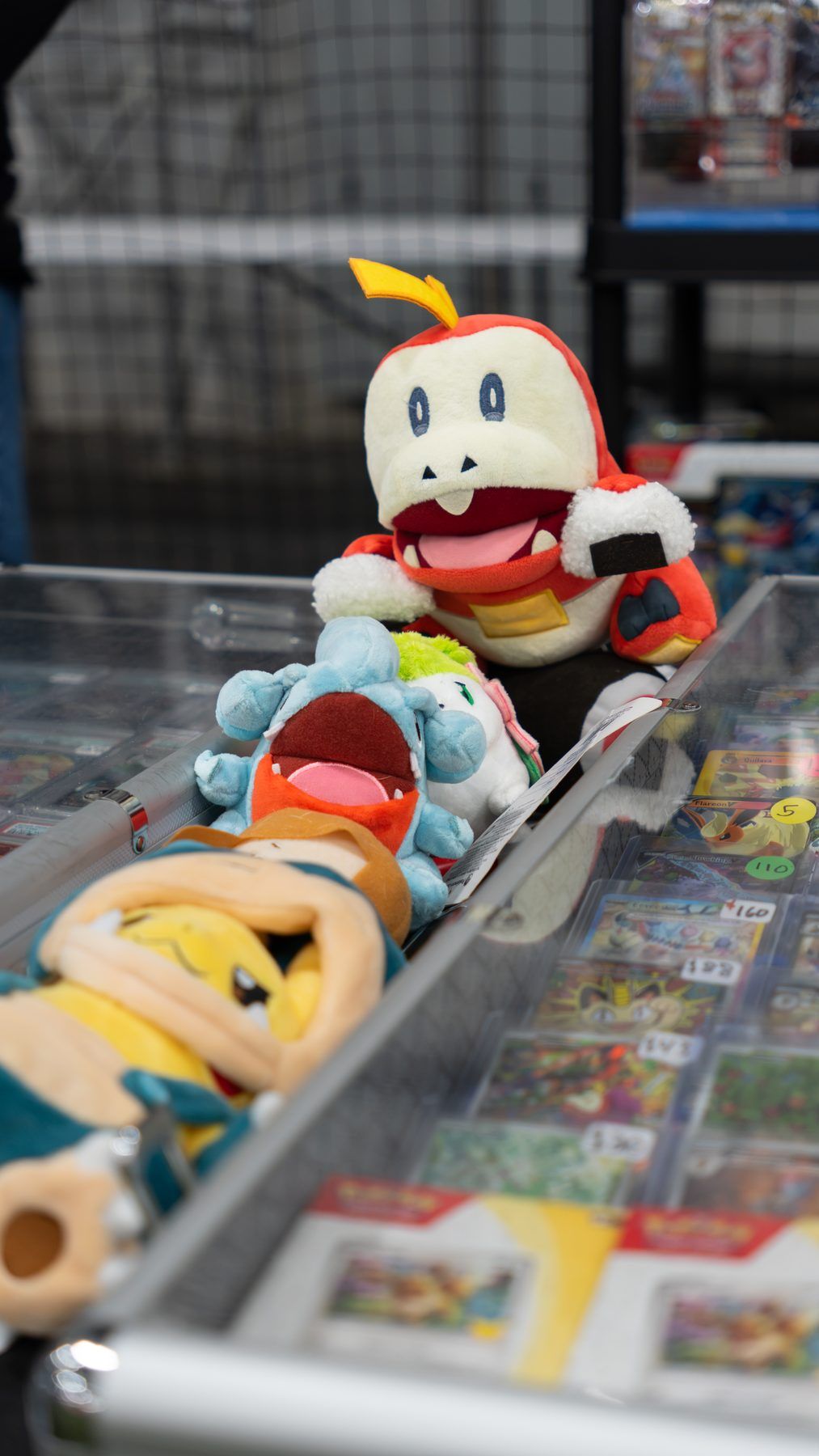
Fair, clearly marked prices build trust, and trust is what turns a first-time buyer into a regular.
Step 4: Book a Table at The 151 Card Show
Once your inventory is ready, it’s time to lock in your spot.
What a table costs: $100 per 8-foot table.
What’s included with every table:
- One 8-foot table
- Two chairs
- Two vendor lanyards
- Vendor-only WiFi
The 151 Card Show runs around 85 vendor tables every month at Vale Fieldhouse in Middletown, and tables are sold through Treasure. You can book a table here.
Tables go fast. If a show is sold out, join the vendor waitlist so you’re first in line when a spot opens up.
Want more visibility? Ask about the 151 Primary Sponsor spot, which includes your table plus added perks. There are only three per show.
Upcoming show dates and table status:
- Saturday, November 21, 20263 PM to 9 PMSold out
- Saturday, December 19, 20263 PM to 9 PMSold out
- Saturday, January 23, 20279 AM to 3 PMOpening soon
- Saturday, February 13, 20279 AM to 3 PMOpening soon
- Saturday, March 6, 20279 AM to 3 PMOpening soon
- Saturday, April 10, 20279 AM to 3 PMOpening soon
- Saturday, May 1, 20279 AM to 3 PMOpening soon
- Saturday, June 5, 20279 AM to 3 PMOpening soon
- Saturday, July 3, 20279 AM to 3 PMOpening soon
Check upcoming shows for the latest dates and table availability.
Step 5: Plan Your Table Setup
Your table is your storefront. A clean, easy-to-shop setup will outsell a messy one every time.
- Use risers or stands to put your best cards at eye level.
- Lock up high-value items in display cases or showcases.
- Organize binders by set, game, or price range so buyers can find what they’re looking for.
- Put your chase cards up front. That’s what stops people walking by.
- Add a sign with your shop name and social handle so customers can find you after the show.
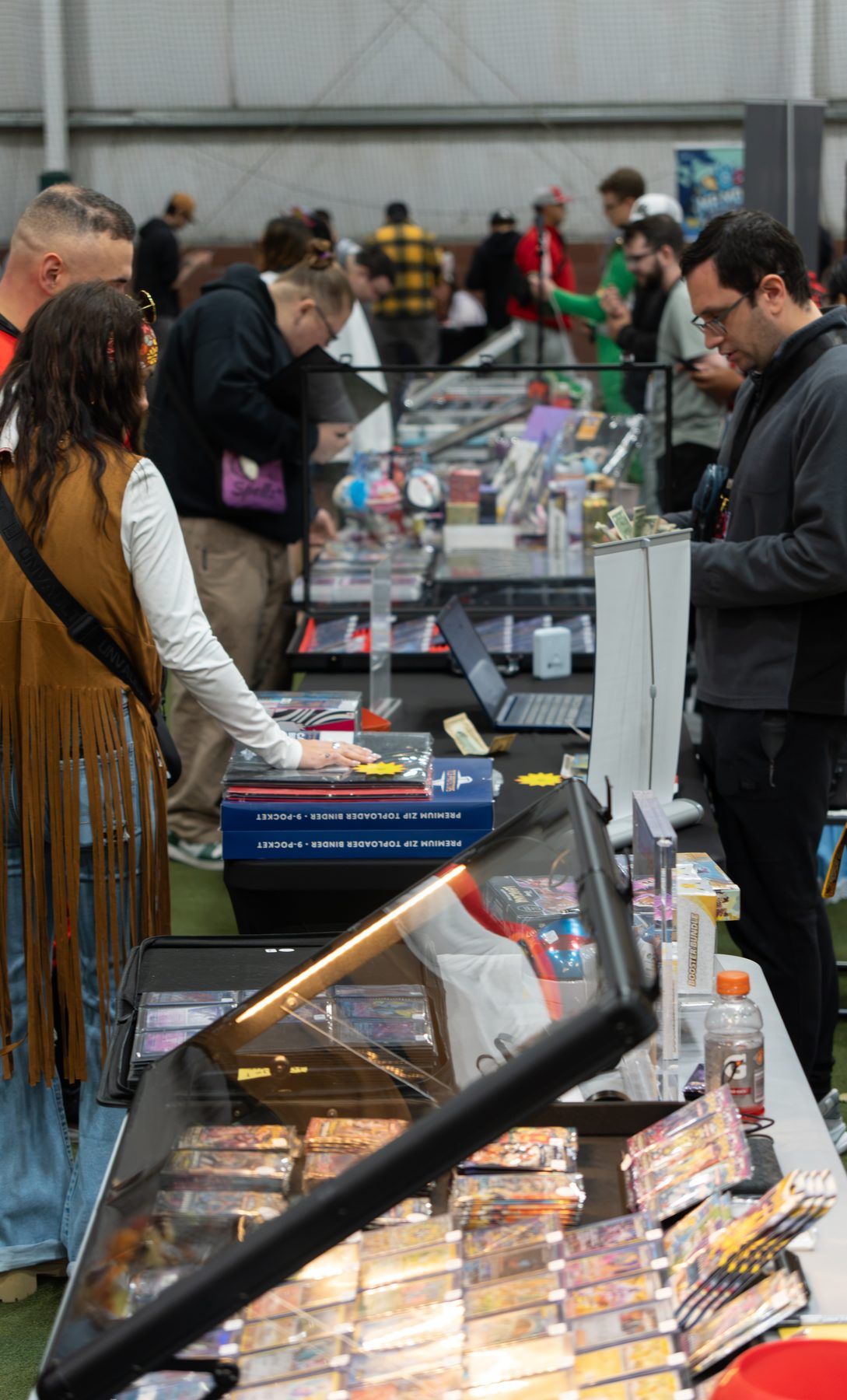
Want to see what a strong setup looks like? Browse our photo gallery and past shows for inspiration from our vendors.
Step 6: Set Up Your Payments
Cash is still king at card shows, but more and more buyers are paying digitally. The more ways you accept payment, the fewer sales you’ll lose.
- Bring plenty of change in small bills.
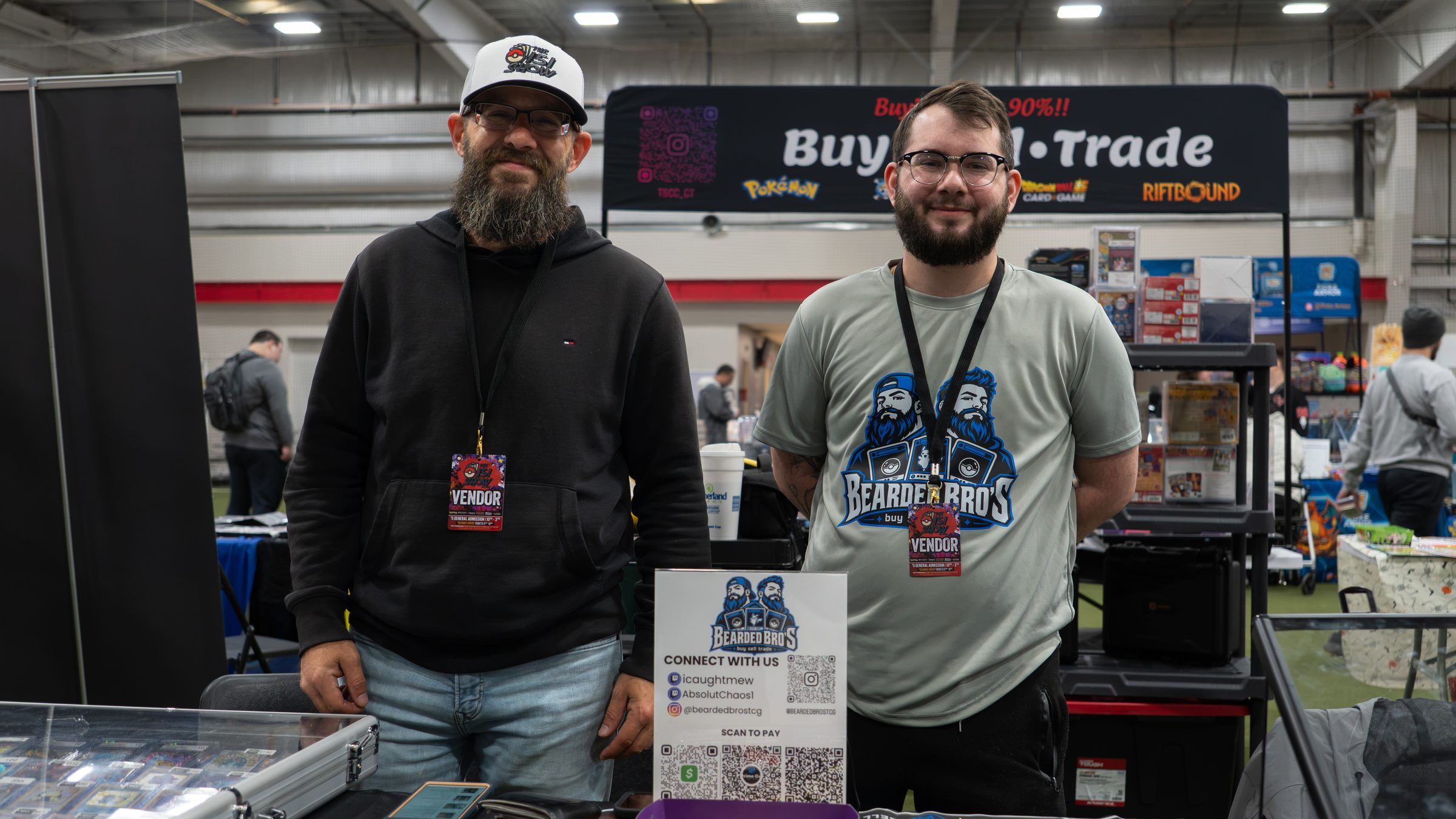
- Set up payment apps like Venmo, Cash App, and Zelle, and print a QR code for your table.
- Consider a card reader for bigger purchases.
- Keep a simple sales log so you know what sold, for how much, and what you need to restock.
Step 7: Know the Load-In Schedule (and Don’t Be Late)
The 151 Card Show runs a tight ship, and load-in cutoffs are strict. We run both daytime and evening shows, so check the hours on your show’s page. Here’s how show day goes:
| What happens | Daytime show (9 AM to 3 PM) | Evening show (3 PM to 9 PM) |
|---|---|---|
| Vendor arrival and load-in through the garage | 8:00 AM | 2:00 PM |
| Check-in closes | 8:50 AM | 2:50 PM |
| Garage door closes | 8:55 AM | 2:55 PM |
| Doors open, Early Bird entry | 9:00 AM | 3:00 PM |
| General admission | 10:00 AM | 4:00 PM |
| Show ends, load-out begins | 3:00 PM | 9:00 PM |
Plan to arrive early so you’re fully set up before Early Bird shoppers hit the floor. Those first buyers are often the most serious ones!
Step 8: Read the Vendor Policies
Every show has its own rules, and following them keeps the show fun for everyone. Before your first show, read through our vendor policies and show policies.
A few things we take seriously at The 151 Card Show:
- Treat customers fairly. No lowballing kids, misrepresenting card conditions, or pressure tactics. Our attendees should leave with a smile.
- No promoting other shows from your table without asking us first.
- Respect the load-in and load-out times.
- Vendor WiFi is for vendors only.
These standards are a big part of why collectors trust the show, and why some of our vendors have made The 151 Card Show their home show in Connecticut.
Your First-Show Vendor Checklist
Before you head to Middletown, make sure you’ve got:
- Connecticut Sales and Use Tax Permit (displayed at your table)
- Priced and organized inventory
- Display cases, risers, and binders
- Penny sleeves, toploaders, and bags for customers
- Cash and small bills for change
- Payment app QR codes and/or a card reader
- Price guide screenshots saved on your phone
- Phone charger or portable battery
- Table sign with your shop name and social handle
- Snacks and water (though food trucks and drinks are often on-site)
Ready to Vend?
Becoming a card show vendor in Connecticut comes down to a few simple steps: pick your lane, get your sales tax permit, price your inventory, and book your table. The rest you’ll learn on the floor, and the community at The 151 Card Show is there to help.
Book your table, join the 151 Card Show Discord to connect with other vendors and collectors, and follow us on Instagram (@the151cardshow) for vendor announcements and show updates. Still have questions? Check the FAQ below, our full FAQ, or contact us.
We’ll see you at the red carpet!